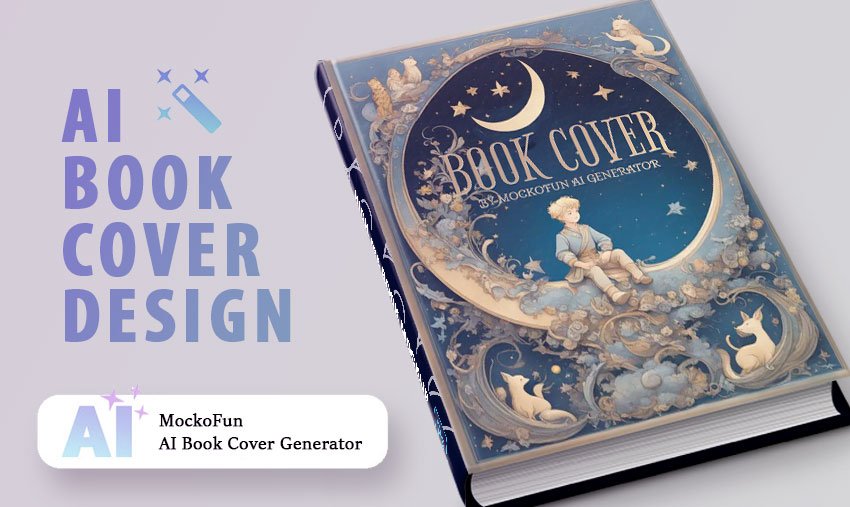
The book cover, once a mere protective wrap, has dramatically evolved into a dynamic strategic asset—a marketing powerhouse, a discovery signal, a cultural touchstone, and even a piece of interactive media. In today's hyper-competitive digital landscape, adapting to new technologies and shifting reader expectations isn't just an option; it's essential for visibility. This rapid transformation has brought the Ethics and Future of AI in Book Cover Design squarely into focus, challenging creators and publishers alike to redefine what a book cover can be and how it should be created.
At a Glance: Navigating AI in Book Cover Design
- The Cover's Evolution: From static image to dynamic, interactive experience driven by digital platforms and smart tech.
- AI as a Creative Ally: AI can accelerate design, generate ideas, and lower costs, especially for self-publishers and small presses.
- Ethical Quandaries: Major concerns include AI models trained on copyrighted works, the potential for a visual monoculture, and job displacement for human artists.
- Legal Labyrinths: Copyright for fully AI-generated art is currently limited and complex; commercial use requires careful review of AI platform Terms of Service.
- Public Perception Matters: Consumer and author sentiment leans heavily against AI art, influencing brand loyalty and potential legal action.
- Beyond Imagery: AI also impacts cover discoverability (algorithms) and interactivity (motion graphics, AR elements).
- Strategic Adaptation: Publishers, designers, and authors must embrace new tech like code and motion, understand metadata, and consider environmental impact, using AI thoughtfully as a tool, not a replacement.
- The Human Imperative: Despite technological advancements, the core goal remains to represent the story and connect with readers, demanding human nuance, narrative, and cultural sensitivity.
The Unfolding Cover Story: More Than Just a Pretty Face
Remember when a book cover was a sturdy piece of cardboard, perhaps with a striking illustration? Those days are long gone. Today, your book's face is a multifaceted entity operating across digital interfaces, social feeds, and even traditional print with a tech twist. It's a marketing asset, a cultural product, and a beacon in a sea of content, constantly adapting to everything from digital behaviors to environmental shifts.
Think about it: in the digital realm, covers can flicker, morph, and interact. A subtle motion graphic of a flickering flame on a fantasy novel or a color scheme that adapts to the time of day a reader opens their e-book—these are not distant dreams but current realities, powered by metadata, user profiles, or reader settings. This shift fundamentally transforms graphic design into experience design, demanding skills in code (like EPUB3) alongside traditional aesthetics. Beyond the screen, print covers are also evolving. Augmented Reality (AR) allows readers to scan a cover with their smartphone to unlock animated trailers, interactive maps, or even 3D models for educational texts. NFC chips and QR codes can link to exclusive content or discussion forums, offering unique depth for collector's editions or premium nonfiction. Even the materials themselves are changing, with eco-conscious design pushing for biodegradable covers, recycled paper, and vegetable-based inks, adding tactile storytelling through embossed textures or heat-reactive inks.
But perhaps the most disruptive, and hotly debated, transformation comes from the rapidly advancing field of Artificial Intelligence.
The AI Revolution: A Double-Edged Brushstroke
AI isn't just a buzzword; it's increasingly becoming an active collaborator in the design studio. For many, particularly small presses and self-publishing authors on a tight budget, AI offers a compelling proposition: a low-cost starting point, a wellspring of inspiration, and a powerful tool to accelerate the design process. Imagine quickly brainstorming dozens of visual metaphors or prototyping concept variations in minutes, not hours. Tools that generate AI book covers are democratizing access to professional-looking designs, allowing creators to rapidly iterate and experiment with their visual identity. This volume and possibility can be incredibly empowering, freeing up human designers for higher-level creative direction and refinement.
However, this undeniable efficiency comes with a complex set of ethical and legal questions that the publishing world is only just beginning to grapple with. Questions about authenticity, copyright, artistic integrity, and even the risk of a visual monoculture loom large over every AI-generated pixel.
Navigating the Ethical Minefield of AI-Generated Covers
The core debate surrounding AI art in book cover design is not merely about aesthetics; it's deeply rooted in ethics, legality, and public perception. For every excited voice praising AI's potential, there's another raising serious concerns about its impact on human creativity and livelihoods.
Copyright: The Ghost in the Machine
One of the most contentious issues is how AI models are trained. Many popular AI systems are "fed" vast datasets of existing images, often including copyrighted works, without the original artists' permission or compensation. This has led to a flurry of lawsuits against major AI companies like Meta, igniting a crucial legal battleground. Artists rightly see this as a direct threat to their livelihood and intellectual property. Why commission an artist if an AI can generate something similar for a fraction of the cost, using their uncredited work as source material?
Adding another layer of complexity, the current legal landscape surrounding copyright for AI-generated art is murky and evolving. The U.S. Copyright Office has stated that fully AI-generated media lacks human authorship and therefore isn't eligible for copyright protection. This means that if you use a free AI platform to generate a cover, that artwork might technically be in the public domain, making it difficult to protect your investment. While combining AI-generated elements with unique typography and human-designed graphics may establish copyright for the combined work, this area is legally complex and currently unresolved. It's a high-stakes game of wait-and-see, with the rules still being written.
Public Perception & Brand Trust
Beyond the legal arguments, there's the equally vital factor of public perception. Many writers, artists, and consumers harbor strong opposition to AI art, driven by fears of job displacement, the ethical implications of using original artists' work without consent, and a general unease with the perceived "dehumanization" of the creative process.
Consumer loyalty is increasingly influenced by brands' alignment with their values. If your target audience is deeply committed to supporting human artists, using AI-generated art for your cover could backfire dramatically. Studies even suggest that consumers are more likely to support lawsuits and higher damages against brands using AI-generated art perceived to copy an artist's work, compared to human-designed versions. For publishers and authors, ignoring this sentiment isn't just a missed opportunity; it could lead to significant backlash and damage to your brand. The debate around ethical AI development principles is very much alive in the public consciousness.
The Specter of Visual Monoculture
Another significant concern is the potential for AI to foster a "visual monoculture." If AI models are trained on similar datasets and optimized for efficiency, there's a risk that generated covers could start to look…well, similar. This could lead to a homogenization of visual styles, where originality and distinctiveness become harder to achieve. The unique artistic voice, the subtle nuances, and the deeply personal interpretations that human designers bring to a project could be diluted. In a marketplace where standing out is paramount, a sea of aesthetically pleasing yet ultimately generic covers could prove detrimental to a book's discovery. The richness and diversity of human artistic expression are invaluable, and preserving them is a key ethical consideration as AI becomes more prevalent in AI in graphic design trends.
Legal Labyrinths: Understanding AI's Terms of Service and Beyond
Before you even consider using AI-generated art commercially for your book cover, you absolutely must do your homework. This isn't a suggestion; it's a critical step to avoid potential legal headaches.
Reading the Fine Print: AI Platform Terms of Service (TOS)
Each AI software platform has its own Terms of Service, and they vary wildly. Many require a fee or subscription for commercial use of their generated art, while free versions often come with significant restrictions, sometimes even dedicating your generated content to the public domain. Ignorance of these terms is not a defense if you find yourself in legal hot water. A quick scan of the TOS is insufficient; you need to understand the nuances of intellectual property rights, indemnification clauses, and usage permissions.
Seeking Counsel: The Literary Attorney Advantage
Given the rapidly evolving legal landscape and the intricate details of AI platform TOS, consulting a literary attorney is highly advisable, especially if you plan to use AI art commercially for a significant project. They can provide clarification on usage rights, assess potential risks, and help you navigate the uncharted waters of copyright for hybrid works. This proactive step can save you immense time, money, and reputational damage down the line.
The Uncharted Waters of Hybrid Copyright
As mentioned, while fully AI-generated content struggles for copyright protection, a cover design that combines AI-generated elements with original human-created typefaces, graphics, and layout might qualify for copyright protection for the overall combined work. However, this is still a legally complex and largely unresolved area. The extent of human input required to establish copyright, and how that human input interacts with the AI-generated components, remains a subject of ongoing legal debate.
Beyond Aesthetics: The Cover as an Experience (AI's Broader Role)
While much of the ethical debate centers on the visual generation of covers, AI's influence extends far beyond mere imagery. It plays a significant role in how covers are discovered and how they can become dynamic, interactive experiences.
Algorithm-Driven Discovery: Stopping the Scroll
In the digital economy, your book cover is often reduced to a tiny thumbnail on web stores, social media feeds, and e-reader libraries. Its primary job? To "stop the scroll." This isn't just about being pretty; it's about being algorithmically friendly. AI-driven algorithms dictate visibility, making certain visual elements more discoverable. This demands designs that are bold, instantly legible even at small sizes, visually unique to avoid blending in, and optimized for specific aspect ratios and color palettes. Think about how a distinct type, high contrast, and strategic whitespace can make a thumbnail pop. Covers now function as cultural shorthands, signaling genre conventions and brand aesthetics almost instantly. Publishers are increasingly recognizing the need for multiple covers, perhaps tweaked by AI's analytical capabilities, tailored for different platforms, regions, or even specific audience demographics to maximize algorithmic reach. This is a crucial aspect of the future of publishing technology.
Dynamic & Interactive Covers: The Future is Now
AI can also empower the next generation of interactive covers. While the core visual might be human-designed or a hybrid creation, AI can drive the intelligence behind its dynamic elements. Imagine a cover that subtly changes its animation based on a reader's engagement history, or an educational text with a cover that dynamically adapts its layout for a student versus a teacher profile. These features, often powered by AI's ability to process metadata and user behaviors, shift design towards "experience design." This means the cover isn't just an image; it's a responsive interface.
Strategic Playbook: How Publishers, Designers, and Authors Can Adapt
The rapid evolution of AI in book cover design isn't a reason to panic, but an imperative to adapt and innovate with caution and foresight. The goal remains universal: to effectively represent the story and attract readers.
For Publishers & Designers: Embracing the Hybrid Future
- Embrace Code and Motion: The future of covers is dynamic. Designers must expand their skill sets to include motion graphics, interactive elements, and an understanding of underlying code (like EPUB3).
- Understand Metadata and Discoverability: Covers are now strategic platforms. Learn how design choices impact algorithmic visibility and leverage metadata to enhance discoverability.
- Weigh Environmental Costs: Beyond aesthetics, consider the environmental impact of your materials. Eco-conscious design is becoming a competitive advantage.
- View the Cover as a Strategic Platform: It's not just art; it's a marketing tool, a discovery signal, and a potential interactive experience.
- Experiment with Hybrid AI Use: Use AI as a creative ally for brainstorming, rapid prototyping, and exploring variations—but not as a replacement for human ingenuity. Human designers bring the nuance, narrative, and cultural sensitivity that AI currently lacks.
- Align Material Choices with Environmental Values: Appeal to an increasingly eco-conscious readership.
For Authors: Proceeding with Caution and Awareness
- Approach AI Cautiously: Don't jump on the AI bandwagon without understanding the full implications.
- Monitor Legal Battles and Public Sentiment: Stay informed about copyright rulings and how public perception is shifting. This will directly impact your book's reception.
- Understand Costs, Implications, and Limitations: AI might offer a low upfront cost, but the ethical and legal risks, plus the potential for a generic outcome, could prove far more expensive in the long run.
- Know Your Audience's Stance: If your readership values human artistry, using AI could alienate them. Transparency, if you do use AI, is key.
Alternatives to Pure AI-Generated Covers
If the ethical and legal complexities of AI-generated art give you pause, there are excellent, well-established alternatives:
- Commission Human Artists: Services like Fiverr make it easy to find talented artists who can create unique, bespoke covers. This supports human creativity and guarantees originality. Knowing how to select a good one is key to choosing book cover designers.
- Stock Images and Photography: Platforms like Canva, Book Brush, Adobe Stock, or Getty Images offer vast libraries of high-quality stock photos and design templates. You can combine these elements creatively to craft a unique cover.
- Built-in Tools: Platforms like Amazon KDP's cover creator provide user-friendly tools to design covers using their own assets, which are typically cleared for commercial use.
FAQs: Your Burning Questions About AI and Book Covers
Can I copyright an AI-generated book cover?
Currently, fully AI-generated media generally lacks human authorship and therefore isn't eligible for copyright protection in many jurisdictions, including the U.S. However, if you significantly transform or combine AI-generated elements with substantial human creative input (like unique typography, original graphics, or a specific layout), the combined work might be copyrightable. This area is legally complex and rapidly evolving, so consulting a legal expert is recommended.
Is using AI art on my book cover unethical?
The ethics are hotly debated. Many artists and writers consider it unethical due to concerns about AI models being trained on copyrighted works without permission or compensation, potential job displacement, and the devaluation of human artistic labor. Public perception is strongly against it for these reasons. While AI can be a powerful tool, its use becomes ethically questionable when it directly competes with or appropriates the work of human artists without fair practice.
Will AI replace human book cover designers?
It's highly unlikely AI will completely replace human book cover designers. Instead, AI is more likely to become a powerful tool or assistant, augmenting human capabilities. AI excels at rapid ideation, generating variations, and automating repetitive tasks, but it struggles with genuine creative interpretation, cultural nuance, deep narrative understanding, and the ability to forge unique, emotionally resonant connections—all hallmarks of a skilled human designer. The future will likely see hybrid workflows where designers leverage AI for efficiency while providing the essential human touch.
How can I tell if a book cover uses AI art?
It can be increasingly difficult as AI improves. However, some tell-tale signs might include: unusual anatomical inconsistencies (especially in hands or faces), repetitive patterns, strange text or symbols that aren't quite legible, a "generic" or slightly soulless aesthetic despite technical proficiency, or a lack of a clear artistic signature. Often, you might also find disclosures from authors or publishers about AI use.
The Human Touch in an Algorithmic Age: Crafting Connection
In the end, regardless of the tools and technologies involved, the ultimate goal for any book cover remains timeless: to effectively represent the story within and attract readers. The book cover is the reader's very first impression, a critical gateway for discovery and connection.
As we navigate this new frontier of AI in design, it's crucial to remember that while AI can generate images, it cannot yet infuse a cover with true human narrative, cultural sensitivity, or the nuanced emotional resonance that comes from a designer's deep understanding of a story and its audience. The best approach isn't to replace the human element but to use AI as a sophisticated ally, a tool that empowers greater creativity and efficiency. The human touch—that irreplaceable blend of intuition, empathy, and unique artistic vision—will remain the true differentiator, ensuring that every book cover doesn't just stop the scroll, but genuinely connects with the hearts and minds of its readers.