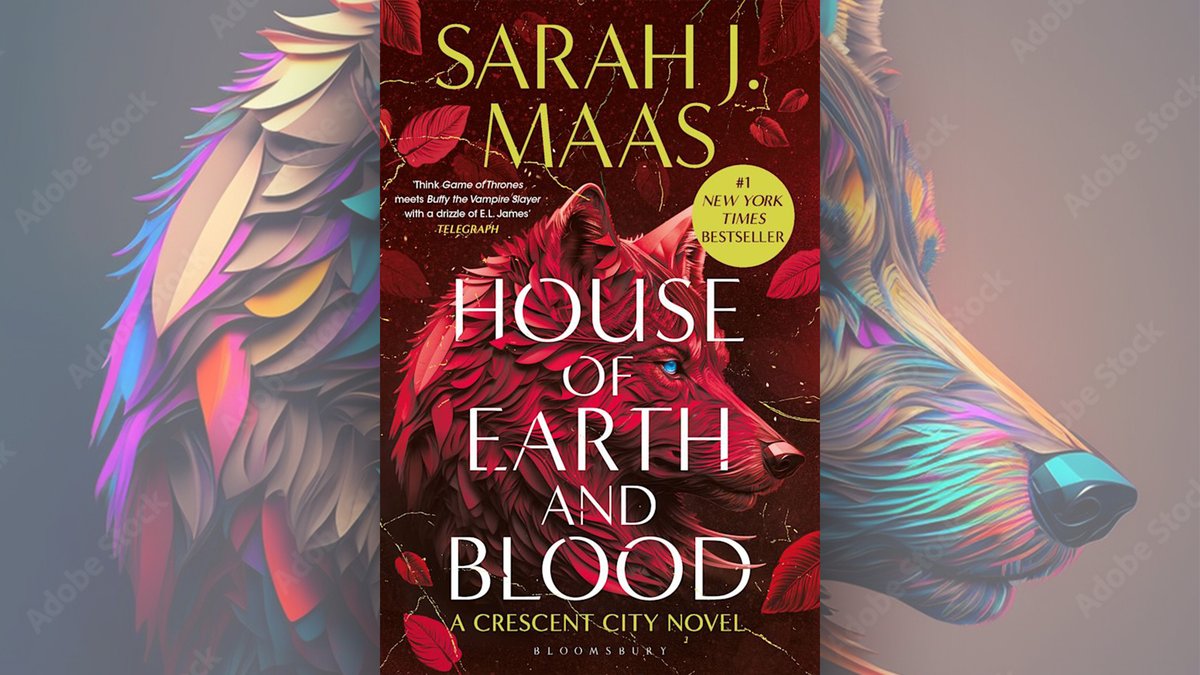
The landscape of book cover design is undergoing a fascinating transformation, driven by the rapid advancements in artificial intelligence. What once required a dedicated graphic designer's expertise can now, with the right Genre-Specific AI Book Cover Strategies, be within reach of any author or publisher looking to craft visually compelling covers that truly resonate with their target audience. This isn't about replacing human creativity, but about augmenting it, allowing even non-designers to produce covers that not only grab attention but also communicate the very essence of a book's world.
More than 60% of digital designers are now embracing AI in their workflow, leveraging its efficiency to accelerate the creative process. The key isn't just to use AI, but to use it smartly, blending its power with a human touch to achieve designs that are both professional and deeply personal.
At a Glance: Crafting AI-Enhanced Book Covers
- AI isn't a silver bullet: It's a powerful tool, but true success comes from combining AI generation with thoughtful human refinement.
- Genre is king: Your cover must immediately signal your book's genre to attract the right readers and avoid visual confusion.
- Avoid common pitfalls: Mismatched fonts, poor contrast, and overly generic AI visuals can derail an otherwise promising design.
- Embrace the hybrid approach: Use AI for initial concepts and image generation, then manually polish typography, layout, and atmospheric details.
- Strategize for series: Plan your AI-generated elements to be adaptable and unique across multiple books.
- Leverage specialized tools: From image generators like Midjourney to comprehensive design suites like Kittl, choose the right AI assistant for your specific needs.
Why Your Book Cover Needs a Genre-Specific AI Strategy
In the crowded digital marketplace, a book cover is often the first, and sometimes only, chance you get to connect with a potential reader. It's a silent salesperson, whispering promises of adventure, romance, or intrigue. But with AI making cover creation more accessible, the risk of producing generic, uninspired visuals has also increased. This is where a Genre-Specific AI Book Cover Strategy becomes indispensable.
Think of it this way: a romance reader browsing online shelves isn't looking for the same visual cues as a fantasy enthusiast. They have deeply ingrained expectations about color palettes, typography, imagery, and overall mood. An AI-generated cover that fails to speak this visual language will simply be overlooked. By intentionally guiding AI tools with genre conventions in mind, you can harness their speed and versatility to create covers that are not only eye-catching but also incredibly effective at attracting your ideal reader.
Common Pitfalls to Sidestep in AI Cover Design
While AI offers incredible shortcuts, it's not foolproof. Skipping the crucial human review can lead to some common, and often glaring, mistakes that undermine your book's professionalism:
- Mismatched Fonts: This is a surprisingly common misstep. An elegant serif font might feel out of place on a gritty thriller cover, just as a distressed, bold typeface would clash with a cozy mystery. Your typography needs to be an extension of your genre's voice.
- Lack of Contrast: A beautiful image means nothing if your title text disappears into the background. Insufficient contrast between text and background makes titles difficult to read, frustrating potential readers and diminishing your cover's impact, especially as a thumbnail.
- Over-reliance on AI: AI is fantastic at generating initial concepts, but left unchecked, its output can sometimes feel generic, repetitive, or even slightly "off." Without manual refinement, you might end up with a cover that looks like it was obviously generated by AI, lacking the unique sparkle and professional polish that distinguishes a truly great design. The goal is to blend AI's efficiency with human discernment.
Decoding Genre Aesthetics: What Your Readers Expect
Understanding the visual language of your genre is the bedrock of a successful AI book cover strategy. Each genre has its own set of unspoken rules, visual tropes, and emotional triggers that readers instinctively look for.
Romance: Soft Hues and Heartfelt Promises
Romance covers thrive on evoking emotion and intimacy. Think soft, warm color palettes—pinks, purples, golds, and gentle blues. Typography is typically elegant, often featuring script or flowing serif fonts that convey tenderness and sophistication. Imagery frequently includes embracing couples, longing gazes, evocative landscapes, or symbolic elements that hint at passion and connection. The overall mood should be inviting, gentle, and aspirational.
Thriller: Dark Depths and Bold Statements
For thrillers, the visual game is about suspense, tension, and impending drama. Dark, moody color schemes dominate, often featuring stark contrasts of blacks, deep blues, reds, and grays. Typography is bold, sharp, and impactful, often with distressed or blocky letterforms that convey urgency and danger. Visuals might include shadowy figures, desolate urban landscapes, abstract patterns suggesting chaos, or a single, striking object that hints at the plot's central mystery. The goal is to create a sense of unease and intrigue.
Fantasy: Otherworldly Realms and Intricate Details
Fantasy readers crave immersion in rich, imaginative worlds. Covers in this genre typically feature intricate, otherworldly landscapes, mystical symbols, and detailed illustrations of magical creatures or heroic figures. Color palettes are often rich and vibrant, ranging from epic, high-fantasy hues to darker, grittier tones depending on the subgenre. Typography can be ornate, calligraphic, or powerful, evoking ancient lore or epic adventure. Every element on a fantasy cover aims to transport the viewer to another realm.
The Hybrid Approach: AI's Power, Human's Touch
The most effective AI book cover strategies don't replace human creativity; they supercharge it. This "hybrid approach" leverages AI for rapid concept generation and image creation, then brings in manual editing to refine, personalize, and elevate the design to a professional standard. This strategic partnership between human vision and machine execution is where the magic truly happens.
Step 1: Define Your Vision and Target Audience
Before you even touch an AI tool, clarity is paramount. What specific message do you want your cover to convey? Who is your ideal reader, and what visual language do they understand and appreciate within your genre? Consider the core emotions, themes, and unique selling points of your book. This initial human-led strategic thinking will serve as your guiding star, preventing aimless AI experimentation.
Step 2: Generate Core Imagery with AI Tools
Now, bring in the machines! AI image generators are your digital canvas, ready to interpret your prompts and bring initial visuals to life.
- Midjourney: Renowned for its artistic, high-quality visual outputs. Use it to generate custom scenes—a futuristic cityscape for sci-fi, a tranquil countryside for romance, a brooding castle for dark fantasy. Think of it as generating the "hero image" for your cover.
- Magnific AI: Once you have a promising image from Midjourney (or another generator), Magnific AI can upscale and enhance its resolution. This is crucial for ensuring your image meets the high-quality standards required for both print and digital formats, adding fine detail and clarity.
- idiogram: For unique icons, patterns, or graphic shapes that complement your cover's theme, idiogram is an excellent choice. It can help you create distinctive elements that add visual interest without cluttering your main image.
Step 3: Refine and Humanize with Manual Editing
This is where your inner designer truly shines. Taking the raw AI output, you'll use traditional graphic design software (like Adobe Photoshop or Affinity Photo) to mold it into a cohesive, professional cover.
- Generative Fill: Modern tools, especially in Photoshop, offer generative fill capabilities. Use this to expand or modify your AI-generated images to fit your specific layout needs, adding extra background or seamlessly altering elements.
- Typography Styling: Don't just pick a font; style it. Experiment with textures, embossing, drop shadows, and subtle gradients to make your title and author name pop. Play with kerning (spacing between letters) and leading (spacing between lines) to ensure maximum readability and visual impact.
- Dynamic Layout: Adjust font sizes, spacing, and placement of all elements for an engaging composition. A good layout draws the eye through the cover, highlighting key information while maintaining balance.
- Atmosphere Enhancement: Add subtle overlays, color gradients, or delicate vignettes to evoke the perfect mood. A slightly desaturated overlay might deepen the mystery for a thriller, while a soft, warm gradient could enhance the romantic feel.
Step 4: Design for Longevity and Series Cohesion
If you're planning a book series, think ahead. Choose design elements, especially those generated by AI, that can be easily adapted for future installments. You'll want a consistent brand identity across your series, but critically, you'll need to significantly modify AI-generated components for each new cover. This ensures uniqueness for each book and helps circumvent potential copyright issues associated with identical AI outputs. A unified color scheme, font pairing, or recurring graphic motif can tie a series together beautifully, even with distinct primary imagery.
Benefits of This Synergistic Design Approach
Combining AI's speed with human precision isn't just a creative choice; it's a strategic business decision that delivers tangible advantages for authors and publishers.
- Unparalleled Efficiency: AI drastically speeds up the creative process, allowing you to rapidly experiment with multiple concepts and iterate on designs in a fraction of the time it would take with traditional methods. This means more time writing and less time waiting.
- Pinpoint Precision: While AI lays the groundwork, manual adjustments ensure the final product meets exacting professional standards. Every line, curve, and pixel is refined to perfection, delivering a polished outcome.
- Expanded Creativity: The combination of AI's limitless generation capabilities and human ingenuity fosters truly unique covers. AI can present ideas you might never have conceived, which you then mold into something truly original and perfectly suited to your genre.
- Reduced Production Time & Cost: Designing book covers with AI can reduce production time by up to 40% compared to traditional methods. This efficiency translates directly into cost savings and faster time-to-market for your book.
- Increased Discoverability and Sales: A visually appealing, genre-appropriate cover significantly boosts click-through rates and visibility on platforms like Amazon KDP. It's a powerful marketing tool that works in tandem with good metadata and relevant keywords to enhance your book's SEO, ultimately leading to more sales.
Looking to make your book stand out? You can Generate book covers with AI to give your book the visual edge it needs.
AI Tools of the Trade: Your Digital Design Arsenal
The market is brimming with AI tools, each with its unique strengths. Here’s a breakdown of leading platforms that can empower your book cover design journey:
Fotor: The Accessible Starting Point
Fotor is an excellent entry point, offering a straightforward text-to-image AI generator and customizable templates. It's ideal for quickly mocking up initial concepts or exploring various visual directions.
- Pricing: Freemium (Pro $8.99/month, Pro+ $19.99/month).
Visme: For Brand Consistency
Visme integrates AI generation with a comprehensive suite of graphic design tools. It provides extensive customization options, making it perfect for authors who need brand consistency across their book covers and other marketing materials.
- Pricing: Subscription (Starter $12.25/month, Pro $24.75/month).
Venngage: Non-Fiction's Best Friend
Venngage leverages AI alongside a library of professionally designed templates. It excels for non-fiction, business, or academic books where clean layouts and clear communication are paramount.
- Pricing: Freemium (Premium $19/month per user).
Artistly AI: Genre-Specific Focus
Artistly AI is specifically geared towards creating professional, genre-specific covers with an emphasis on speed and simplicity. If you need a quick, targeted solution, this could be your go-to.
- Pricing: One-time payment model.
VEED.IO: Covers and Video Marketing
VEED.IO uniquely combines an AI image generator with a robust video editing suite. This allows you to create not only static covers but also dynamic video marketing assets from a single platform.
- Pricing: Free tier (with watermark), Subscription (Basic $25/month).
Mega Creator by Icons8: Rich Asset Library
Mega Creator integrates an AI generator with an expansive library of high-quality assets. This gives you greater control to blend AI-generated elements with curated stock images, illustrations, and icons.
- Pricing: Free tier (limited access), Subscription ($24/month).
Fiverr: Human Touch, AI-Powered
Fiverr functions as a marketplace for "done-for-you" services, where you can hire freelancers who expertly use AI tools. This offers the best of both worlds: professional results with a human touch, through collaborative engagement.
- Pricing: Varies (services start from $5-$10).
StarryAI: Artistic & Unique Visions
StarryAI focuses on generating artistic and distinctive images. It transforms text prompts into high-resolution visuals, often with a painterly or abstract style, making it ideal for the core art of covers in genres that demand unique aesthetics.
- Pricing: Freemium credit-based system (Subscription $15.99/month).
Recraft: Scalable Vector Art
Recraft is a powerful vector-based tool that produces scalable and editable vector art and mockups from text prompts. It's excellent for creating cohesive brand identities and design elements that can be resized without losing quality.
- Pricing: Free tier (most features), Subscription ($20/month).
Postcrest: Simplified Professional Covers
Postcrest offers a suite of AI-specific tools tailored for professional covers. It simplifies the design process, generating covers customized to your book's theme and genre with minimal input.
- Pricing: Subscription.
Midjourney: The Gold Standard for Artistic Imagery
Midjourney stands out for its ability to produce exceptionally artistic and high-quality images from text prompts. While purely an image generator operating via Discord, its outputs often serve as the stunning foundation for professional covers.
- Pricing: Subscription (Basic $10/month), no free trial.
Kittl: Collaborative & Comprehensive
Kittl brings together powerful AI features with a complete collaborative design editor. It boasts an extensive asset library, advanced text effects, and vector editing capabilities, making it ideal for both covers and a unified marketing strategy.
- Pricing: Free plan (limited), Subscription (Pro $15/month, Expert $30/month).
Your Next Chapter: Taking Control of Your Book's Visual Destiny
The future of book cover design is here, and it's a collaborative dance between human vision and artificial intelligence. By understanding genre-specific conventions, mastering the art of prompt engineering, and dedicating time to manual refinement, you can leverage AI to create book covers that not only look professional but also deeply connect with your target readers.
Don't let the technology intimidate you. Instead, view AI as your most efficient design assistant, ready to bring your wildest ideas to life at lightning speed. Embrace the hybrid approach, experiment with the tools available, and invest your human creativity in the details that truly make a cover unforgettable. Your book deserves a cover that’s as compelling as the story within its pages.