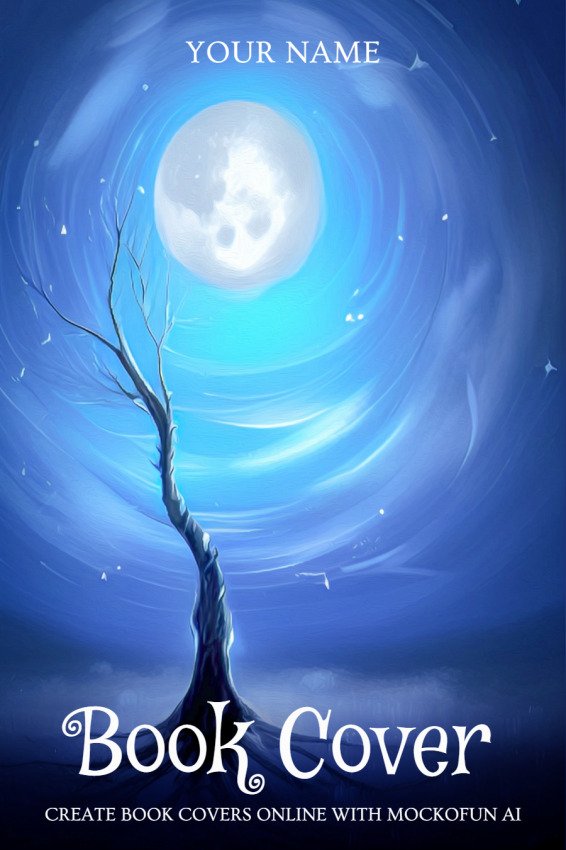
In a sea of millions of books, what makes yours stand out? Often, it’s not the first sentence, but the first impression: your book cover. It’s your silent salesperson, a visual elevator pitch designed to stop scrolling thumbs and ignite curiosity. For years, crafting a truly compelling cover required either a hefty budget for a professional designer or a significant time investment to master design software. But then, something shifted. We began Mastering AI Book Cover Design Principles, and the game changed entirely.
Artificial intelligence has swept through the creative landscape, democratizing professional-grade design and offering a potent new avenue for authors and publishers alike. Over 60% of designers are now embracing AI, streamlining workflows and reducing production time by up to 40%. A striking AI-enhanced cover isn't just a pretty picture; it's a strategic marketing tool proven to increase reader engagement and sales by up to 30%. It’s about more than aesthetics; it’s about discoverability, click-through rates, and even optimizing your cover with metadata for better SEO.
This isn't about replacing human creativity; it's about amplifying it. It's about giving you the power to bring your vision to life with unprecedented speed, iteration, and professional polish.
At a glance: Mastering AI Book Cover Design Principles
- AI Transforms Design: AI drastically cuts design time (up to 40%) and boosts engagement (up to 30% sales increase) by analyzing trends and offering multiple design options.
- Strategic Marketing: A strong AI cover acts as a powerful marketing tool, improving discoverability, click-throughs, and even aiding SEO with optimized metadata.
- The 6-Step Process: Define goals, brainstorm, select tools, customize, iterate, and export for a polished, industry-standard cover.
- Key Design Elements: Focus on balanced color palettes, readable typography, professional layout (grids), and high-resolution outputs.
- Diverse Toolset: From user-friendly template generators to advanced artistic image creation, a wide array of AI tools caters to every skill level and design need.
- Human-AI Collaboration: AI is a powerful assistant, not a replacement. Best results come from blending AI's speed with human artistic direction and refinement.
The Unignorable Power of an AI-Enhanced Cover
Think of the last time you bought a book online. Chances are, your eyes darted to the cover long before you read the blurb. A compelling cover communicates genre, tone, and theme in milliseconds, acting as a crucial filter in a crowded digital marketplace. Before AI, achieving this level of visual communication often meant grappling with complex software or commissioning expensive design work.
AI changes this equation dramatically. It leverages machine learning algorithms to analyze vast datasets of successful covers, understanding what resonates with readers in specific genres. This allows AI to generate multiple layout, color, and typography options that are already aligned with current design trends and reader preferences.
The benefits extend beyond mere aesthetics:
- Rapid Prototyping & Iteration: AI tools can spit out dozens of design concepts in minutes, allowing you to quickly explore diverse styles and refine your vision without the typical time investment.
- Cost-Efficiency: For many authors, particularly indies, hiring a top-tier designer is simply out of reach. AI tools offer a powerful alternative, delivering professional-quality results at a fraction of the cost, or even for free in some cases. This value is appreciated by over 60% of authors leveraging these tools.
- Enhanced Discoverability: A professionally designed, AI-optimized cover is more likely to catch a reader’s eye, leading to higher click-through rates on retail platforms. This directly translates to improved visibility and increased sales.
- SEO Integration: Beyond visual appeal, an AI-designed cover can be optimized with relevant metadata and keywords, further boosting its search engine visibility on platforms like Amazon.
By Mastering AI Book Cover Design Principles, you’re not just creating a picture; you’re crafting a powerful marketing asset designed for maximum impact.
Your Co-Creative Journey: The 6-Step AI Design Process
Creating an AI-powered book cover isn't a magical one-click solution; it's a strategic partnership between your vision and the machine's capabilities. Here’s a streamlined process that ensures you harness AI effectively:
Step 1: Define Your Design Goals and Target Audience
Before you even think about opening a tool, clarity is paramount. Ask yourself:
- What is my book's genre? (e.g., fantasy, thriller, romance, self-help, business) Each genre has its visual language and tropes.
- What is the core message or feeling I want to convey? (e.g., mystery, hope, adventure, professionalism, coziness)
- Who is my target reader? (e.g., young adults, busy professionals, sci-fi enthusiasts) What kind of covers do they typically gravitate towards?
- What are the key elements or symbols from my book that absolutely must be represented? (e.g., a specific object, a character archetype, a mood)
Understanding these points will help you craft effective prompts for AI and evaluate the generated designs against a clear benchmark.
Step 2: Brainstorming & Inspiration Gathering
Even with AI, a little human foresight goes a long way.
- Sketch Concepts: Roughly doodle ideas for composition, imagery, and text placement. Don't worry about artistic skill; focus on conceptualizing.
- Gather Inspiration: Look at bestsellers in your genre. What makes their covers work? Pay attention to color schemes, typography, and imagery. Sites like Pinterest, Goodreads, and Amazon's bestseller lists are excellent resources.
- Explore Styles: Do you prefer a minimalistic look, a vibrant and busy design, a photographic approach, or an illustrative one? Having a style in mind will guide your tool selection and prompt engineering.
Step 3: Tool Selection – Choosing Your AI Co-Pilot
This is where the rubber meets the road. The landscape of AI book cover design tools is vast and varied, catering to different skill levels and specific needs. Your choice here depends on your comfort with design and the specific features you require. We'll delve into specific tools shortly, but generally, consider:
- Ease of Use: Are you a beginner needing templates, or an experienced designer looking for advanced control?
- Output Style: Do you need realistic photos, artistic illustrations, clean vector graphics, or something abstract?
- Features: Do you need integrated typography, marketing asset creation, or collaborative tools?
- Pricing Model: Freemium, subscription, or one-time payment?
Step 4: Customization – Bringing Your Vision to Life
Once you’ve selected your AI platform, it’s time to start creating. This often involves:
- Prompt Engineering: For text-to-image generators (like Midjourney or StarryAI), this is crucial. Craft detailed, descriptive prompts that convey your desired imagery, style, and mood. Experiment with keywords.
- Uploading Assets: Many tools allow you to upload your own images, logos, or design elements to integrate into the AI-generated layout.
- Adjusting Typography: Select fonts that match your genre and mood. Pay attention to font pairings, sizing, and spacing (kerning and leading).
- Experimenting with Color Palettes: AI can suggest palettes, but you'll fine-tune them to ensure they resonate with your book's theme and evoke the right emotions.
Step 5: Iteration & Refinement – Polishing the Gem
AI excels at generating variations. Use this to your advantage:
- Generate Multiple Options: Don't settle for the first design. Create several versions, tweaking your prompts or settings each time.
- Refine Core Elements: Focus on improving contrast, achieving visual balance, and establishing a clear visual hierarchy. Your title and author name should be immediately legible and prominent.
- Seek Feedback: Share your top designs with beta readers, fellow authors, or your target audience. An objective eye can spot issues you might miss.
- Leverage AI Suggestions: Many advanced tools offer AI-powered suggestions for improvements, such as alternative layouts or color adjustments. Don’t ignore them!
Step 6: Final Export – Ready for the World
The final step ensures your masterpiece is ready for prime time.
- Resolution Check: For print covers, aim for 300 DPI (dots per inch) for crisp, professional quality. For digital-only covers, 72 DPI is sufficient, but ensure dimensions meet platform requirements (e.g., Amazon KDP, Apple Books).
- File Format: Typically, high-resolution JPEGs or PNGs are used for digital, while PDFs are often preferred for print.
- Spine & Back Cover (for print): If your book is print-on-demand, you'll need to design a full wrap-around cover, including the spine and back cover, which must integrate seamlessly with the front.
By diligently following these steps, you’ll not only create an aesthetically pleasing cover but one that is strategically designed for success.
The Pillars of an Outstanding AI Book Cover
No matter which tool you use, certain fundamental design principles remain timeless. AI can help you implement them, but your understanding is critical.
1. Color Palettes: Evoking Emotion and Genre
Colors aren't just decorative; they're psychological cues.
- Genre Alignment: Think about typical genre colors. Fantasy often uses deep blues, purples, and golds. Thrillers lean towards stark contrasts, reds, blacks, and greys. Romance might feature softer pastels or vibrant, warm tones.
- Emotional Impact: Warm colors (red, orange, yellow) evoke energy, passion, or danger. Cool colors (blue, green, purple) suggest calm, mystery, or sophistication.
- Balance & Contrast: A good cover uses a balanced palette, with perhaps one dominant color and a few accent colors. Ensure sufficient contrast to make elements pop without being jarring. AI can suggest harmonious palettes, but your eye for theme-resonance is key.
2. Typography: The Voice of Your Title
Your choice of font is as important as the words themselves.
- Readability First: Above all, your title and author name must be instantly legible, even as a thumbnail. Avoid overly decorative or thin fonts.
- Tone & Genre: A horror novel might use a distressed or gothic font. A business book will likely opt for a clean, sans-serif typeface. Fantasy often uses ornate serifs.
- Hierarchy: The title is usually the most prominent text, followed by the author name, and then a subtitle or blurb. Use size, weight, and color to establish this order clearly.
- Font Pairing: Limit yourself to 1-3 complementary fonts. AI tools often offer curated pairings to simplify this.
3. Layout: Professionalism Through Structure
A well-composed layout guides the reader's eye and creates a sense of professionalism.
- Visual Hierarchy: What's most important? Usually, the main image, then the title, then the author name. Arrange elements to draw attention in this order.
- Rule of Thirds/Golden Ratio: Imagine your cover divided into a 3x3 grid. Placing key elements along these lines or intersections often creates a naturally appealing composition.
- Balance & Symmetry (or Asymmetry): A balanced cover feels stable. This can be achieved through symmetrical placement or through thoughtful asymmetrical arrangements that still feel harmonious.
- Whitespace: Don't cram too much onto the cover. Empty space helps individual elements breathe and stand out. AI’s layout suggestions can be very helpful here, often using alignment and grids effectively.
4. Resolution: Clarity and Professionalism
This is non-negotiable for a professional look.
- High-Quality Imagery: Ensure any images, whether AI-generated or uploaded, are high-resolution from the start. Scaling up low-resolution images always results in pixelation and blurriness.
- DPI for Print vs. Digital: As mentioned, 300 DPI for print is crucial. Many AI tools will output high-res by default, but always double-check your export settings.
By paying close attention to these elements, you can elevate an AI-generated draft into a truly polished, market-ready book cover.
Choosing Your AI Co-Pilot: A Guide to the Best Tools
The right tool can make all the difference. Here’s a breakdown of popular AI book cover design platforms, highlighting their strengths and ideal use cases. This diverse landscape of options for an AI book cover generator ensures there's a solution for nearly every need and budget.
- Fotor:
- Niche: User-friendly, template-driven, text-to-image AI generator for quick concepts. Great for beginners who want to get started fast.
- Pros: Intuitive interface, extensive template library, quick concept generation.
- Cons: Less granular control for advanced designers without upgrading.
- Pricing: Freemium ($8.99-$19.99/month for Pro).
- Visme:
- Niche: Blends AI generation with comprehensive graphic design tools. Ideal for creating not just covers, but also a full suite of marketing assets (social media graphics, ads) that maintain brand consistency.
- Pros: High-quality output, versatile design capabilities, good for overall marketing.
- Cons: Might have a slightly steeper learning curve than pure AI image generators.
- Pricing: Free plan, paid from $12.25/month.
- Venngage:
- Niche: Specializes in clean, professional layouts using an extensive template library with AI-assisted imagery. Particularly strong for non-fiction, reports, and business-oriented books.
- Pros: Professional aesthetic, strong template base, easy to create data-rich visuals.
- Cons: More focused on information design, potentially less suitable for highly artistic or complex fictional covers.
- Pricing: Freemium, paid from $19/month.
- Artistly AI:
- Niche: Focuses on professional, genre-specific, high-resolution covers quickly from text prompts. A good choice for authors who need a fast turnaround for their core cover art.
- Pros: Speed, tailored for book covers, high-resolution output.
- Cons: Less emphasis on integrated typography or layout editing.
- Pricing: One-time payment model.
- VEED.IO:
- Niche: Integrates AI image generation with robust video editing tools. Perfect for authors who want to create a full promotional package, including book trailers, from a single platform.
- Pros: Comprehensive media creation, great for integrated marketing campaigns.
- Cons: Image generation might not be its primary focus compared to dedicated image tools.
- Pricing: Free tier (watermark), paid from $25/month.
- Mega Creator by Icons8:
- Niche: Combines an AI generator with a vast asset library (photos, illustrations, vectors, icons) for deep customization. Excellent for blending AI-generated elements with curated stock assets.
- Pros: Massive asset library, highly customizable, blend AI with traditional assets.
- Cons: Can be overwhelming initially due to the sheer volume of options.
- Pricing: Free tier, paid from $24/month.
- Fiverr:
- Niche: A service marketplace to hire freelancers who use AI tools to create bespoke covers. This offers the best of both worlds: AI efficiency with a human designer's creative direction and personalized nuance.
- Pros: Human oversight, unique designs, professional quality guaranteed.
- Cons: Costs vary, still requires communication with a freelancer.
- Pricing: Gigs start as low as $5-$10.
- StarryAI:
- Niche: Focuses on artistic, unique, often painterly or abstract image generation from imaginative text prompts. Ideal for authors seeking distinctive, art-forward covers where the image itself is the star.
- Pros: Highly artistic outputs, unique styles, great for abstract or stylized genres.
- Cons: May require more prompt engineering to get precise results, less focused on integrated text.
- Pricing: Credit-based freemium, paid from $15.99/month.
- Recraft:
- Niche: A vector-focused tool generating scalable, editable vector art and mockups from text prompts. Offers unparalleled editing freedom for graphic designers who want to tweak every line and curve.
- Pros: Vector output, high editability, scalable designs.
- Cons: May be more technically oriented for pure beginners.
- Pricing: Generous free tier, paid from $20/month.
- Postcrest:
- Niche: Specialized suite generating genre-tailored, high-resolution designs from basic inputs, simplifying the process for authors who want minimal fuss.
- Pros: Streamlined workflow, genre-specific outputs, good for efficiency.
- Cons: Less creative control compared to broader design platforms.
- Pricing: Subscription-based.
- Midjourney:
- Niche: Renowned for exceptionally artistic and high-fidelity images from text prompts (pure image generator). Operates via Discord, making it a unique, community-driven experience.
- Pros: Industry-leading image quality, highly creative and unique results, constantly evolving.
- Cons: Requires learning Discord, primarily an image generator (text must be added later with other software).
- Pricing: Subscription-based, starting at $10/month.
- Kittl:
- Niche: Combines powerful AI with a full-fledged collaborative design editor, extensive assets, and vector editing. A comprehensive solution for those who want both AI generation and hands-on, detailed design control.
- Pros: All-in-one platform, great for detailed customization, collaborative features.
- Cons: Can be feature-rich, requiring some time to explore its full capabilities.
- Pricing: Free plan, paid from $15/month.
The best tool for you will depend on your budget, technical skill, and the specific aesthetic you're aiming for. Don't be afraid to experiment with free tiers to find your perfect fit.
The Human Touch in an AI World: Collaboration, Not Replacement
While AI tools can generate impressive book cover designs, delivering creative layouts and rapid iterations, it's crucial to acknowledge their limitations. AI still struggles with highly personalized artistic nuances, understanding subtle cultural references, or capturing the deep emotional context that a human designer—or author—instinctively brings to the table.
This isn't a weakness; it's an opportunity. AI is best viewed as a powerful collaborator that augments creativity, accelerates ideation, and democratizes professional-level design. Think of it as an incredibly fast and versatile assistant that can execute your instructions, but it still needs your strategic direction and artistic refinement.
Here’s how to foster an effective human-AI partnership:
- Be the Visionary: AI won't know your book's soul like you do. Provide clear, detailed instructions and feedback.
- Curate and Refine: Generate multiple options, but then apply your human judgment to select the strongest concepts and refine them. Tweak colors, fonts, and layouts to perfection.
- Address Nuances: If AI misses a subtle emotional tone or a specific detail, use your design software (or work with a human editor/designer) to make those final, critical adjustments.
- Proofread Relentlessly: AI can generate text, but it's not infallible. Double-check every word, every letter, for typos or grammatical errors.
Blending AI-generated drafts with expert human input yields a more balanced, engaging, and ultimately, more authentic final product.
Integrating Your AI Cover into a Winning Marketing Strategy
A fantastic book cover is just one piece of the puzzle. To truly maximize its impact, you need to seamlessly integrate it into your broader marketing strategy.
- Brand Alignment: Ensure your AI-designed cover aligns with your author brand's overall message and style. Consistency builds recognition and trust.
- Omni-Channel Consistency: Use your cover, or elements derived from it, across all your digital platforms: website, social media profiles, email newsletters, and advertising. Leverage DIY AI cover design techniques to ensure this consistency.
- Social Media Snippets: Create eye-catching snippets or mockups of your book cover for social media. Tools like Visme or VEED.IO, which offer broader graphic design capabilities, can be invaluable here.
- Early Buzz: Tease your cover reveal to build anticipation before your book launch.
- A/B Testing (if possible): Some advertising platforms allow you to test different cover variations to see which resonates most with your target audience. AI’s ability to generate multiple concepts quickly makes this much easier.
Remember, the most effective AI book cover design process involves a strategic partnership between human vision and machine execution, extending from concept to market.
Common Pitfalls to Avoid in AI Book Cover Design
Even with powerful AI tools, certain missteps can undermine your cover's effectiveness.
- Over-reliance on Defaults: Don't just accept the first AI output. Push for variations, explore different styles, and personalize the design. Default templates can look generic.
- Poor Prompt Engineering: Garbage in, garbage out. Vague or uninspired prompts will lead to uninspired results. Be specific, descriptive, and iterate on your prompts.
- Ignoring Genre Conventions: While creativity is good, completely deviating from genre norms can confuse potential readers. A sci-fi book that looks like a romance novel won't attract its target audience.
- Neglecting Readability: The most artistic image in the world won't sell your book if the title is unreadable or the author name is microscopic. Legibility is paramount.
- Low Resolution for Print: This is a common and easily avoidable mistake. Always confirm 300 DPI for any print version of your cover.
- Inconsistent Branding: If you have an author brand or series, ensure your AI cover fits into that existing visual identity.
- Forgetting the Back & Spine: For print books, remember the cover is a 3D object. The back cover and spine need just as much attention as the front.
By being aware of these pitfalls, you can navigate the AI design process more effectively and produce a cover that truly stands out for all the right reasons.
Your Next Chapter: Taking Control of Your Visual Story
The era of AI in book cover design isn't just a trend; it's a revolution. It’s empowering authors, even those with no prior design experience, to create covers that are not only beautiful but strategically positioned for success in a competitive market. By embracing Mastering AI Book Cover Design Principles, you're not just creating a cover; you're investing in your book's future.
Now is the time to explore, experiment, and collaborate with these powerful tools. Dive into the various platforms, play with prompts, and refine your vision. Your book deserves a cover that captures its essence and draws readers in. With AI as your co-pilot, that compelling cover is well within your reach.