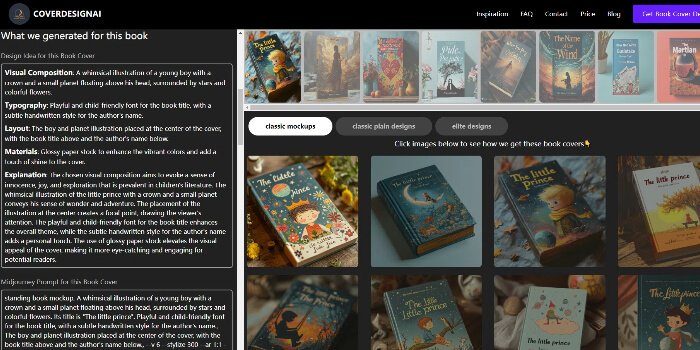
The first impression of your book often isn't its opening line, but its cover. In the crowded digital shelves and physical bookstores of 2025, a captivating cover is no longer a luxury—it’s a necessity. But what if you could craft professional, eye-catching book covers in minutes, without a design degree or a hefty budget? This isn't a futuristic fantasy; it's the present reality thanks to Understanding AI Book Cover Generators. These innovative tools are democratizing design, allowing authors, indie publishers, and marketers to bring their stories to life visually with unprecedented speed and creative control.
This comprehensive guide will demystify the world of AI book cover design, equipping you with the knowledge and tools to create covers that not only look professional but genuinely resonate with your target audience. Think of this as your backstage pass to the future of book branding, guided by a seasoned pro who’s seen it all.
At a Glance: What You'll Discover
- The AI Revolution: Why AI generators are transforming book cover design in 2025.
- How They Work: The intelligence behind the intuitive interfaces.
- Top Tools Compared: A deep dive into the 10 leading AI book cover generators.
- Prompting Like a Pro: Crafting effective commands to get the results you envision.
- Step-by-Step Creation: A practical workflow from concept to final cover.
- Customization & Beyond: Making your AI-generated cover uniquely yours.
- Smart Choices: How to pick the right tool for your specific needs and budget.
The AI Advantage: Why Book Cover Generators Are Reshaping Publishing
Gone are the days when stunning book covers were the exclusive domain of expensive graphic designers. Today, artificial intelligence has stepped into the breach, offering powerful tools that merge sophisticated design principles with machine learning algorithms. This isn't just about automation; it's about empowerment.
Here's why AI book cover generators have rapidly become indispensable:
- Blazing Speed: Need a cover for your eBook launch next week? AI can generate dozens of concepts in minutes, not days or weeks. This rapid prototyping allows for quick iteration and ensures you meet tight deadlines.
- Cost-Effectiveness: Say goodbye to illustrator fees that can run into hundreds or even thousands of dollars. Many AI tools offer free tiers or affordable subscriptions, making professional design accessible to every budget.
- Unrivaled Customization: While AI lays the groundwork, you retain full creative control. Tailor colors, fonts, imagery, and layouts to perfectly match your vision and genre conventions.
- Broad Accessibility: No design experience? No problem. These platforms are built with intuitive interfaces, often requiring little more than your book's title, subtitle, and genre to get started.
- Creative Flexibility: Test out multiple versions, experiment with wildly different styles, and gather feedback on various concepts before committing. This iterative freedom is invaluable for discovering your book's ultimate visual identity.
Whether you're a first-time author, an indie publisher managing a growing catalog, or a marketer looking for compelling visuals, AI book cover generators offer a strategic advantage in a competitive market. They're more than just tools; they're creative partners that help you generate AI book covers that captivate.
The Brains Behind the Beauty: How AI Book Cover Generators Work
At their core, AI book cover generators leverage sophisticated algorithms, primarily text-to-image AI models, trained on vast datasets of existing book covers, design principles, and visual art. When you input your book's information—title, subtitle, author, genre, and a brief description—the AI springs into action.
Here's a simplified breakdown of the process:
- Input Interpretation: The AI parses your text prompts, identifying keywords related to genre, mood, themes, and specific visual elements. It understands that a "fantasy novel" might need mystical creatures, ancient landscapes, and epic typography, while a "romance" might lean towards soft colors, evocative figures, and elegant fonts.
- Design Principle Application: Drawing from its training data, the AI applies fundamental design principles:
- Layout: It suggests optimal placement for the title, author name, and imagery, considering visual hierarchy and readability.
- Imagery: It generates or selects relevant images, illustrations, or abstract patterns that align with your prompt.
- Typography: It proposes font pairings and styles suitable for your genre and desired tone.
- Color Theory: It chooses color palettes that evoke specific emotions or match genre conventions.
- Generation & Refinement: Within moments, the AI presents several cover variations. You then review these options, often able to tweak elements directly within the interface. You might ask for different colors, a change in font, or a completely new image. The AI learns from your feedback, iteratively refining designs until you find a strong candidate.
This intelligent workflow significantly reduces the initial design hurdle, providing a robust starting point that you can then personalize to perfection.
Navigating the AI Landscape: Choosing Your Generator
With a growing number of AI book cover generators on the market, selecting the right one can feel daunting. We evaluate these tools based on five key criteria: Design Quality, AI Capabilities, Ease of Use, Level of Customization, and Pricing & Free Access. Your ideal choice will align with your experience level, budget, book genre, and creative workflow.
Let's explore the top contenders for 2025:
- Visme AI Book Cover Generator
- Highlights: Visme is a powerhouse for visual content creation. Its AI book cover generator integrates AI-generated visuals with a library of polished templates and advanced customization tools. It's excellent for maintaining brand consistency across various marketing materials.
- Best For: Professionals and small publishers seeking branded, consistent designs and a comprehensive design suite.
- Price: Free tier available; premium plans start around $12/month.
- Fotor AI Book Cover Maker
- Highlights: Fotor shines with its intuitive text-to-image generation and a wide array of style filters (e.g., romantic, sci-fi, thriller). It quickly transforms your textual ideas into genre-appropriate visuals.
- Best For: Authors needing quick genre-specific inspiration and easy-to-use image manipulation tools.
- Price: Free with optional premium upgrades for higher resolution and advanced features.
- Canva (with Magic Design AI)
- Highlights: A household name in design, Canva’s seamless UI and drag-and-drop editor are now supercharged with Magic Design AI. This feature provides AI-powered design suggestions and automatic layout adjustments, making professional design accessible to everyone.
- Best For: Collaborative teams, beginner designers, and authors who appreciate a vast template library and user-friendliness.
- Price: Generous free plan; Pro version starts at $14.99/month.
- VEED.IO AI Book Cover Generator
- Highlights: While known for video editing, VEED.IO's AI capabilities extend to visual covers, making it a strong contender for authors who also plan to create video book trailers or promotional shorts. Its focus on dynamic visuals can lead to very striking covers.
- Best For: Indie authors who also create promotional video content and value strong visual impact.
- Price: Free plan available; paid options for HD downloads and advanced features.
- BookBrush AI
- Highlights: BookBrush is tailor-made for authors, offering specific tools like 3D mockup generators and Amazon-friendly sizing. Its features are geared directly towards self-publishers.
- Best For: Self-published authors primarily focused on Kindle and print-on-demand platforms like Amazon.
- Price: Paid-only, starting around $8/month, reflecting its specialized feature set.
- Designs.ai
- Highlights: Designs.ai offers a complete branding toolkit, including logos, videos, and, of course, book covers. Its AI assistant can quickly generate various design assets, making it ideal for authors looking to create a cohesive brand identity for their entire author platform.
- Best For: Authors looking for a complete branding toolkit beyond just book covers.
- Price: Free trial; subscriptions from $19/month.
- Media.io AI Book Cover Creator
- Highlights: Media.io emphasizes speed and efficiency, delivering quick AI image generation and clean, professional layouts. It’s designed to get you a visually appealing cover with minimal fuss.
- Best For: Time-pressed creators needing quick, AI-generated covers without a steep learning curve.
- Price: Freemium model with high-resolution export typically in the paid tier.
- NightCafe / MidJourney
- Highlights: These tools are at the forefront of artistic AI image generation. NightCafe and MidJourney specialize in creating highly artistic, surreal, or incredibly specific genre visuals through advanced text prompting. They require more user comfort with detailed prompts but offer unparalleled creative freedom.
- Best For: Users comfortable with detailed text prompts and who have some image editing experience, seeking unique, artistic, or avant-garde covers.
- Price: Free limited generation; credit-based premium options vary.
- Adobe Express (Firefly AI)
- Highlights: Adobe Express, powered by the generative Firefly AI, integrates seamlessly into the broader Adobe ecosystem. It offers powerful AI assistance for image generation and content creation, making it a strong choice for those already familiar with Adobe products or looking for professional-grade AI tools.
- Best For: Experienced designers who want AI assistance within a familiar, robust design environment.
- Price: Free plan available; premium from $9.99/month.
- Snappa AI
- Highlights: Snappa offers a very user-friendly interface combined with a library of genre-ready templates. It’s designed for simplicity and speed, making it easy for beginners to jump in and create professional-looking covers.
- Best For: Beginners and small teams who prioritize ease of use and quick template-based design.
- Price: Free with limited downloads; paid plan starts at $10/month.
When making your decision, remember that many of these platforms offer trial runs or generous free demos. Experimentation is key to finding the AI book cover generator that best fits your style and workflow. Whether you're aiming to generate AI book covers for a new series or a standalone novel, the right tool can make all the difference.
Mastering the Prompt: Your Secret Weapon for AI Design
The magic of AI book cover generators often lies in the quality of your prompt. Think of the AI as an incredibly talented, but literal, artist. The more precise and descriptive your instructions, the closer the final output will be to your vision. A poorly constructed prompt can lead to generic or irrelevant designs, while a well-crafted one can produce stunning results.
Here’s how to write an effective AI prompt for book covers:
- Specify Genre and Theme: Always start by clearly stating the book's genre and the desired mood or atmosphere. This sets the overall context for the AI.
- Example: "Mystery thriller, dark and suspenseful atmosphere." or "Cozy romance, warm and inviting feel."
- Detail Visual Elements: Be specific about key imagery, color schemes, typography styles, and the desired prominence for the title and author. Describe what you see in your mind's eye.
- Example: "A lone figure silhouetted against a full moon, stormy sea backdrop. Predominant colors: deep blues, greys, and silver. Bold, sans-serif font for the title. Author name in a smaller, elegant script."
- Provide Examples/Preferences: If you have existing cover examples you like, or specific design preferences (e.g., minimalist layout, vintage aesthetic, photo-realistic style), describe them. The AI can often infer styles from these descriptions.
- Example: "Similar aesthetic to classic Agatha Christie covers – minimalist, object-focused. Font style like old typewriters."
Sample Prompt Breakdown:
Let's use the provided sample prompt and break down why it's effective: - Prompt: “Create a cover featuring a magical forest with a glowing portal, in dark greens and purples. Use a bold, medieval-style font for the title and author’s name to evoke mystery and wonder.”
- Genre/Theme: "Magical forest," "mystery and wonder" – clearly sets a fantasy/mystery tone.
- Visual Elements: "Glowing portal," "dark greens and purples" (specific colors), "bold, medieval-style font." These are concrete visual instructions.
- Mood: "Evoke mystery and wonder" – guides the AI on the overall feeling.
By combining these elements, you give the AI a rich tapestry of information to work with, increasing your chances of generating a cover that truly reflects your book's essence. This meticulous approach to prompting is crucial, whether you're using a niche tool like BookBrush or a versatile one like Canva's Magic Design.
Your AI Design Workflow: Step-by-Step Cover Creation
Creating a compelling book cover with AI isn't just about typing a prompt and hoping for the best. It's a structured process that combines your creative vision with the AI's generative power. Follow these steps to maximize your chances of success:
- Define Objectives:
- Before you even open a generator, clarify your book cover's purpose. Who is your target audience? What is the book's core message or genre? What emotion should the cover evoke? Knowing this will guide all subsequent decisions, from imagery to typography.
- Micro-example: For a Young Adult fantasy, the objective might be to feel adventurous and mystical, appealing to readers aged 12-18.
- Specify Key Design Elements:
- Determine the practical aspects:
- Size & Orientation: eBook (e.g., 1600x2560 pixels) or print (requires front, back, and spine, with bleed)?
- Color Scheme: Do you have specific colors in mind that relate to your story or genre?
- Fonts: Are there particular font styles that fit your genre (e.g., elegant for romance, gritty for thriller)?
- Imagery: What essential images or illustrations must be on the cover? Is it a character, a setting, or an abstract concept?
- Micro-example: For a print thriller, you'd specify a full wrap-around design, perhaps using a monochromatic color scheme with a splash of contrasting color.
- Craft Your AI Prompt:
- This is where your objectives and design elements coalesce. Use the tips from the previous section to create a detailed prompt. Include layout preferences, specific design elements, desired color schemes, genre, theme, and any unique features. Don't be afraid to experiment with multiple prompts.
- Micro-example: "Horror novel cover. Eldritch creature emerging from deep shadows. Use chiaroscuro lighting, sickly greens and purples, and jagged, unsettling typography. Title prominent, author name below creature."
- Review and Refine:
- Once the AI generates its initial options (and most tools like Fotor or Visme will give you several), critically examine them. Does the cover convey clarity? Is it visually appealing? Does it align with your branding and objectives? Look for:
- Readability: Can the title and author name be read easily?
- Impact: Does it grab attention?
- Genre Fit: Does it look like it belongs in its category?
- Completeness: Are all necessary elements present?
- Use the generator's editing tools to make adjustments to colors, fonts, image placement, or even swap out AI-generated images if they aren't quite right.
- Finalize and Share:
- Once you’re satisfied, confirm all elements are structured correctly and adhere to publishing platform requirements (e.g., Amazon KDP, IngramSpark). Export your final cover in the appropriate high-resolution format (JPEG, PNG, PDF for print). Don't forget to prepare any necessary content like the back cover blurb or author bio if creating a full wrap-around.
- Pro Tip: Before final publishing, get feedback from trusted readers or fellow authors. Sometimes a fresh pair of eyes can spot something you missed.
By following this structured approach, you'll transform the powerful capabilities of AI into a truly stunning and effective book cover. With tools that help you generate AI book covers, the iterative design process becomes incredibly efficient.
Beyond Generation: Customization & Advanced Features to Look For
While the initial AI generation is impressive, the true power of these tools often lies in their post-generation customization options and advanced features. You're not just getting a static image; you're getting a dynamic design canvas.
- Extensive Customization Post-Generation:
- Nearly all reputable AI book cover generators, from Canva to Adobe Express, offer robust editing suites. This means you can easily change colors, swap out fonts, resize or reposition images, and adjust overall layouts after the AI has provided its initial concepts. This allows you to fine-tune the AI's suggestions to perfectly match your artistic vision, ensuring your cover isn't just "AI-generated" but "author-curated."
- Think about it: The AI might suggest a great image, but you might prefer a different font from its library, or a slightly brighter hue for a particular element. This human touch is vital.
- Genre-Specific Templates & Libraries:
- Many platforms come pre-loaded with genre-specific templates that understand the visual conventions of various book categories. Whether you’re writing a cozy mystery, an epic fantasy, or a contemporary romance, these templates provide a solid foundation, ensuring your cover visually communicates its genre at a glance. Tools like Snappa AI and BookBrush excel in this area, offering genre-ready templates specifically for authors.
- Support for Print and Digital Formats:
- A good AI generator will understand the different requirements for eBooks versus print books. Look for tools that can output covers optimized for various digital platforms (e.g., Kindle, Kobo) and also provide options for full print wrap-around covers, including spine and back cover design.
- Many also include 3D mockup tools (like BookBrush) that allow you to see your cover on a realistic book or e-reader, which is fantastic for marketing materials and promotional content.
- Freemium vs. Premium Considerations:
- Most generators follow a freemium model. Free plans typically offer basic features, limited templates, and lower-resolution outputs. While sufficient for initial experiments, higher quality outputs, advanced customization options, premium templates, and commercial licenses often require a paid subscription.
- Decision point: If you're serious about your book's presentation, investing in a premium plan (which can range from $8-$20/month, as seen with tools like Designs.ai or Visme) is usually worthwhile for the enhanced capabilities and professional polish.
These features empower you to take an AI-generated idea and transform it into a professional, market-ready book cover that truly stands out. When you generate AI book covers, remember the AI is your co-pilot, not the sole pilot.
Common Pitfalls & Pro Tips for AI Book Covers
While AI book cover generators are incredibly powerful, they're tools, not magic wands. Avoiding common pitfalls and embracing best practices will elevate your results from adequate to exceptional.
Pitfalls to Avoid:
- Over-Reliance Without Human Touch: The AI is a brilliant starting point, but rarely perfect. Simply using the first AI-generated image without any customization often results in a generic or soulless cover. Always apply your unique vision and critical eye.
- Ignoring Genre Conventions: While creativity is encouraged, completely deviating from your genre's established visual language can confuse potential readers. A sci-fi cover shouldn't look like a cozy mystery, no matter how aesthetically pleasing.
- Poor Prompting: As discussed, vague or incomplete prompts lead to vague or irrelevant results. "A pretty flower" will yield something far less useful than "A single, wilting crimson rose with thorns, reflecting a shadowy figure, on a dark, rainy cobblestone street, for a gothic romance."
- Copyright and Licensing Blind Spots: Be mindful of the source of AI-generated images. Most reputable platforms (like those in our top 10 list) have clear guidelines regarding commercial use. However, if using standalone AI art tools, ensure you understand the licensing implications of using AI-generated images for commercial purposes. Always verify.
- Low-Resolution Output: Many free tiers limit resolution. Using a low-res image for a print book or even a large eBook display will look unprofessional and pixelated. Always export in the highest quality available.
- Neglecting Readability: Even the most beautiful image is useless if the title and author name are unreadable, obscured, or use an inappropriate font. Prioritize legibility above all else.
Pro Tips for Success:
- Iterate and Experiment: Don't settle for the first few options. Generate many, and then iterate on the most promising ones. Tweak prompts, change keywords, and explore different styles. The more you experiment, the more likely you are to uncover a hidden gem.
- Get Feedback: Before finalizing, share your top cover choices with your target audience, beta readers, or even a small online community. Objective feedback can highlight strengths and weaknesses you might have missed.
- Think Mobile First: A significant portion of book browsing happens on small smartphone screens. Ensure your cover is impactful and readable even as a thumbnail. Is the main image clear? Is the title legible at a small size?
- Consider Your Series Branding: If you’re writing a series, think about how subsequent covers will fit together. AI can help you establish a consistent style, color palette, and font treatment across all books.
- Combine AI with Human Touch: For truly unique results, consider using AI to generate core imagery or concepts, then importing that into a more traditional design tool (or even collaborating with a human designer) for final typography, detailed adjustments, and professional polish.
- Stay Updated: AI technology evolves rapidly. Keep an eye on new features and emerging platforms. What's cutting-edge today might be standard tomorrow. This continuous learning will help you generate AI book covers that are always fresh and competitive.
By approaching AI book cover generation strategically, you can harness its immense power while maintaining artistic integrity and professional standards.
The Future is Now: What’s Next for AI in Book Design?
The current state of AI book cover generators is just the beginning. In the coming years, we can anticipate even more sophisticated capabilities: AI that understands nuanced literary themes, AI that can animate covers for enhanced digital marketing, and perhaps even AI that learns your specific author brand over time to suggest perfectly aligned designs.
The line between AI assistance and human creativity will continue to blur, opening up new avenues for artistic expression and streamlined production. For authors, publishers, and marketers, this means an increasingly powerful toolkit at their fingertips, allowing them to focus more on storytelling and less on the technical hurdles of design.
Ready to Transform Your Book's First Impression?
Your book deserves a cover that captures its essence and compels readers to dive in. With the insights and tools shared in this guide, you're now equipped to navigate the exciting world of AI book cover generators.
No matter your experience level or budget, there's an AI solution ready to help you generate AI book covers that are not just professional, but truly memorable. Start experimenting today, embrace the iterative process, and watch as AI empowers you to create the visual masterpiece your story deserves. The future of book design is here, and it's remarkably accessible.